Vibe Coding Is the Future: Here's Why Your Next Developer Is an AI
Muchiri Mwangi
AI Automation Specialist
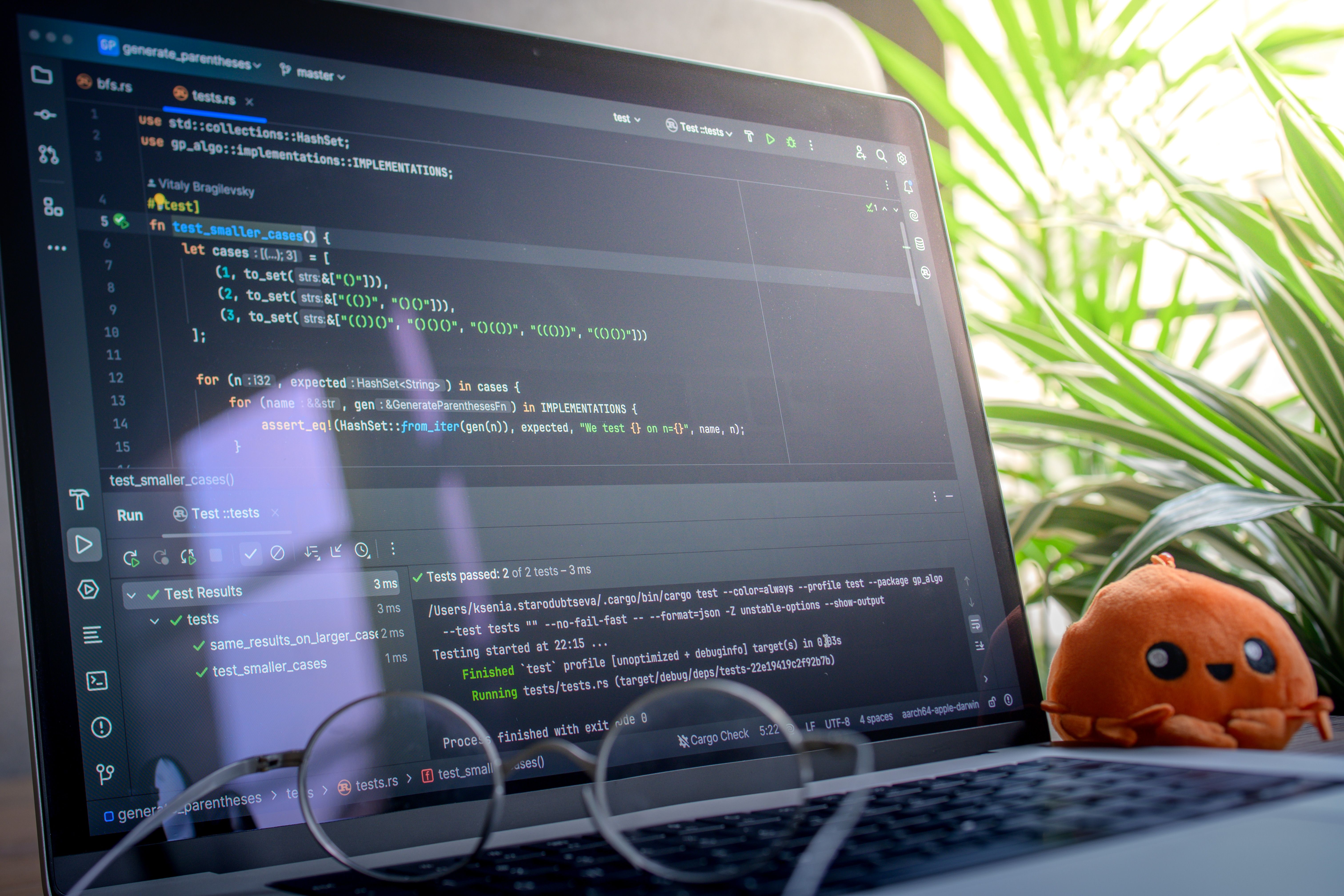
In March 2026, a 22‑year‑old entrepreneur with no formal coding experience built a fully functional SaaS product in 48 hours using nothing but natural language prompts. The product generated $50,000 in revenue in its first month. In April 2026, a Fortune 500 company reduced its development backlog from six months to six weeks by allowing non‑technical product managers to build internal tools using AI‑assisted generation. In May 2026, a leading venture capital firm announced that they would now fund "vibe coding" startups teams that build software primarily through AI assistance, as aggressively as traditional engineering teams. What is "vibe coding," and why is it the most disruptive shift in software development since the invention of the programming language itself? Let me show you.
What Is Vibe Coding?
Vibe coding is the practice of building software by describing what you want to accomplish in natural language, rather than writing code line by line. You "vibe" with the AI—describing features, iterating on results, refining functionality—until the application does what you need.
The term was originally used somewhat ironically, but it's become a legitimate description of a new development paradigm. Tools like Claude Code, Cursor and GitHub Copilot have evolved from simple code completion to full‑stack application generation. You can now start with "I need a SaaS product that does X" and have a working prototype within hours.
Who Is Vibe Coding?
- Non‑technical founders: Entrepreneurs who have ideas but don't have years to learn programming. They're building MVPs, validating ideas, and launching products without ever writing a line of traditional code.
- Business operators: Analysts, managers, and operational staff who need internal tools to solve immediate problems. They no longer need to wait weeks for IT to deliver.
- Accelerated engineers: Traditional developers who use AI as a superpower—generating boilerplate, refactoring code, and prototyping features 5‑10 times faster than before.
- Students and learners: People learning to code by reading AI‑generated code, understanding the patterns, and gradually building their own skills through natural language.
The Productivity Leap Is Real
The data on vibe coding productivity is already compelling. A major enterprise software company compared two teams building the same internal tool. One team used traditional development. The other used AI‑assisted coding. The AI team delivered the product in one‑fifth the time with one‑third the defects.
Another study tracked 1,000 professional developers over six months. Those using AI‑assisted coding completed 55% more tasks per week. More importantly, they reported higher job satisfaction—they spent more time on interesting problems and less time on boilerplate and debugging.
The productivity gap is widening every month. AI tools are improving faster than human skills can adapt. The developer who doesn't embrace AI is becoming as unproductive as a writer who refuses to use a word processor.
What Vibe Coding Means for Your Business
For Product Leaders
Your backlog just became obsolete. Features that would have taken months can now be prototyped in days. The cycle time from idea to market is collapsing. Your job is no longer to prioritise scarce engineering resources. It's to ensure your teams have the tools and training to vibe code effectively.
For Engineering Leaders
Your role is shifting from managing people to managing AI orchestration. The best engineers will be those who can guide AI to produce high‑quality code, review and refine AI outputs, and handle the complex architectural decisions that AI still struggles with. Technical hiring will prioritise different skills—systems thinking, architectural judgment, and AI fluency over syntax memorisation.
For CEOs
Speed is the new competitive advantage. If your organisation can build and iterate faster than your competitors, you win. Vibe coding is the most direct path to that speed. Invest in the tools, training, and culture that enable AI‑assisted development. Your ability to execute will determine your ability to survive.
The Challenges Ahead
Vibe coding isn't perfect. AI still makes mistakes—the code it generates often works but may have subtle bugs or security vulnerabilities. It struggles with complex architecture that requires deep contextual understanding. There are serious concerns about code ownership, licensing, and the potential for AI‑generated code to include copyrighted material.
The businesses that win will be those that treat AI‑generated code like any other code—with rigorous testing, code review, security scanning, and quality assurance. The difference is that they'll have a much larger volume of code to review and test. That's a challenge, but it's a much better problem than not having enough developers to build what you need.
“The developer of 2026 doesn't write code. The developer of 2026 writes descriptions of what they want the code to do. The AI writes the code. The developer reviews, refines, and orchestrates.”
How to Start Vibe Coding in Your Organisation
- Start small: Choose one internal tool that's currently in your backlog. Task a small team with rebuilding it using AI‑assisted coding. Measure the time and quality difference.
- Train your team: Invest in training on AI‑assisted development tools. The skills are learnable, but they require practice.
- Create standards: Develop guidelines for when and how to use AI coding tools. Include code review requirements, security testing, and documentation standards.
- Share success: When a vibe coding project succeeds, celebrate it and share the learnings. Nothing spreads adoption faster than visible success.
Key takeaway
Vibe coding isn't just a trend. It's the beginning of a fundamental shift in who can build software and how fast they can build it. The businesses that embrace this shift will build better products faster, with smaller teams and lower costs. The ones that cling to traditional development practices will find themselves competing against organisations that can iterate in days what takes them months. The future of software development is here. It's faster, more accessible, and more creative than anything we've seen before. And it's already happening all around us.
Written by
Muchiri Mwangi
I build AI automation and workflow systems for businesses, with a focus on practical results over hype.
More about meKeep reading
- Future of Work
The Workforce of 2027 Will Be 30% AI. Here’s What That Actually Looks Like.
July 19, 2026 · 15 min read
- AI Automation
The Rise of ChatGPT Accountants: Which Jobs AI Is Quietly Taking Over Right Now
2026-11-20T18:06:01.798Z · 8 min read
- AI Automation
When AI Out-Codes Us: What Junior Developers Should Do Next
2026-11-16T12:39:11.983Z · 8 min read