How AI Helps with Money, Taxes, and Business Accounts: A Simple Guide
Muchiri Mwangi
AI Automation Specialist
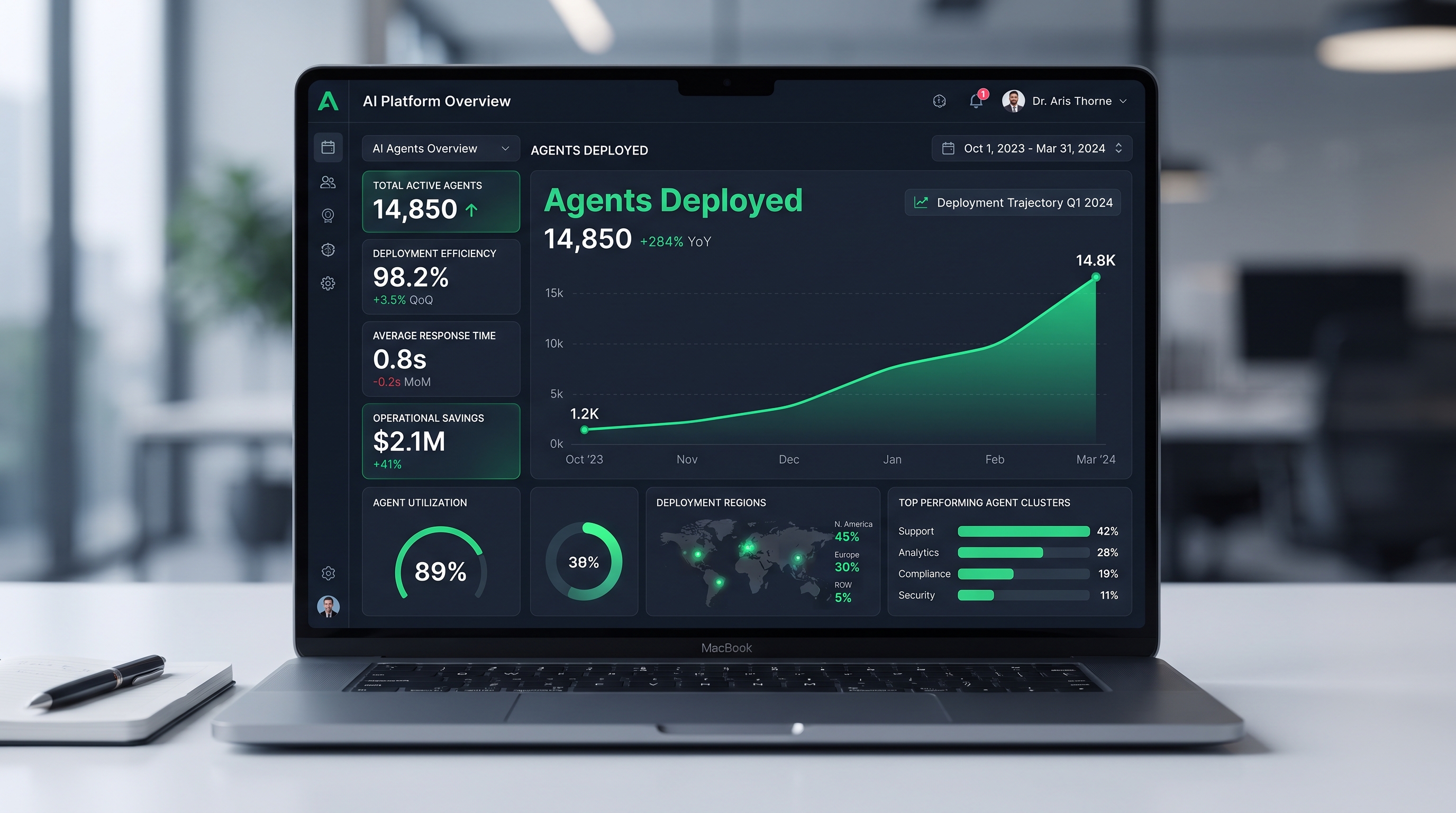
For decades, the standard playbook in accounting, audit, tax, and corporate finance was defined by manual entry, sampling, and endless spreadsheets. Today, artificial intelligence is reshaping that blueprint. AI is not replacing financial professionals; rather, it is taking over repetitive data processing and giving teams the power to operate with unprecedented speed and precision.
1. Modernizing Audit: From Sampling to Full Coverage
Traditionally, auditors evaluated risk by checking a small sample—often just 5% to 10%—of a company's total transactions. Modern AI algorithms change this paradigm completely by enabling 100% data analysis.
- 100% Population Testing: Machine learning models scan every single transaction, invoice, and ledger entry instantly.
- Automated Anomaly Detection: The system flags unusual timing, unexpected amounts, or suspicious journal entries for human review in real time.
- Continuous Auditing: Instead of waiting for an annual review, financial health is monitored on an ongoing basis.
2. Streamlining Tax Compliance and Planning
Tax regulations update frequently across national and international jurisdictions, creating significant compliance overhead. AI simplifies this complexity by keeping track of regulatory changes automatically.
- Automated Calculations: AI systems extract data from invoices and receipts to calculate tax liabilities without manual data entry.
- Deduction Discovery: Trained models identify credits and deductions that human preparers might easily overlook.
- Regulatory Monitoring: Real-time tracking of tax codes ensures filings remain compliant before deadlines.
3. Elevating Corporate Finance and FP&A
In corporate finance and Financial Planning & Analysis (FP&A), the primary goal is turning historical data into actionable future strategies. AI accelerates cash flow management and scenario modeling.
Automation eliminates the administrative burden of bookkeeping, allowing finance teams to focus on strategy, capital allocation, and business growth.
Key Corporate Finance Workflows Empowered by AI
- Predictive Cash Flow Forecasting: Algorithms analyze historical spend patterns and market variables to project working capital.
- Instant Reconciliations: Bank feeds and general ledgers match up in seconds rather than taking days during month-end closes.
- Contract Due Diligence: Natural Language Processing reads legal agreements to extract financial terms, debt covenants, and payment terms instantly.
Key takeaway
The bottom line is clear: AI is converting audit, tax, and corporate finance from backward-looking, labor-intensive functions into forward-looking strategic assets. Financial professionals who embrace these tools can spend less time typing numbers into spreadsheets and more time delivering high-value insights.
Written by
Muchiri Mwangi
I build AI automation and workflow systems for businesses, with a focus on practical results over hype.
More about meKeep reading
- AI Automation
The Rise of ChatGPT Accountants: Which Jobs AI Is Quietly Taking Over Right Now
2026-11-20T18:06:01.798Z · 8 min read
- AI Automation
When AI Out-Codes Us: What Junior Developers Should Do Next
2026-11-16T12:39:11.983Z · 8 min read
- AI Automation
How to Find Leads and Close Them: The Volume Math Behind Hormozi and Other Top Sellers
2026-11-13T09:23:22.847Z · 8 min read