The EU AI Act Just Got Real: What August 2026 Enforcement Means for Your Business
Muchiri Mwangi
AI Automation Specialist
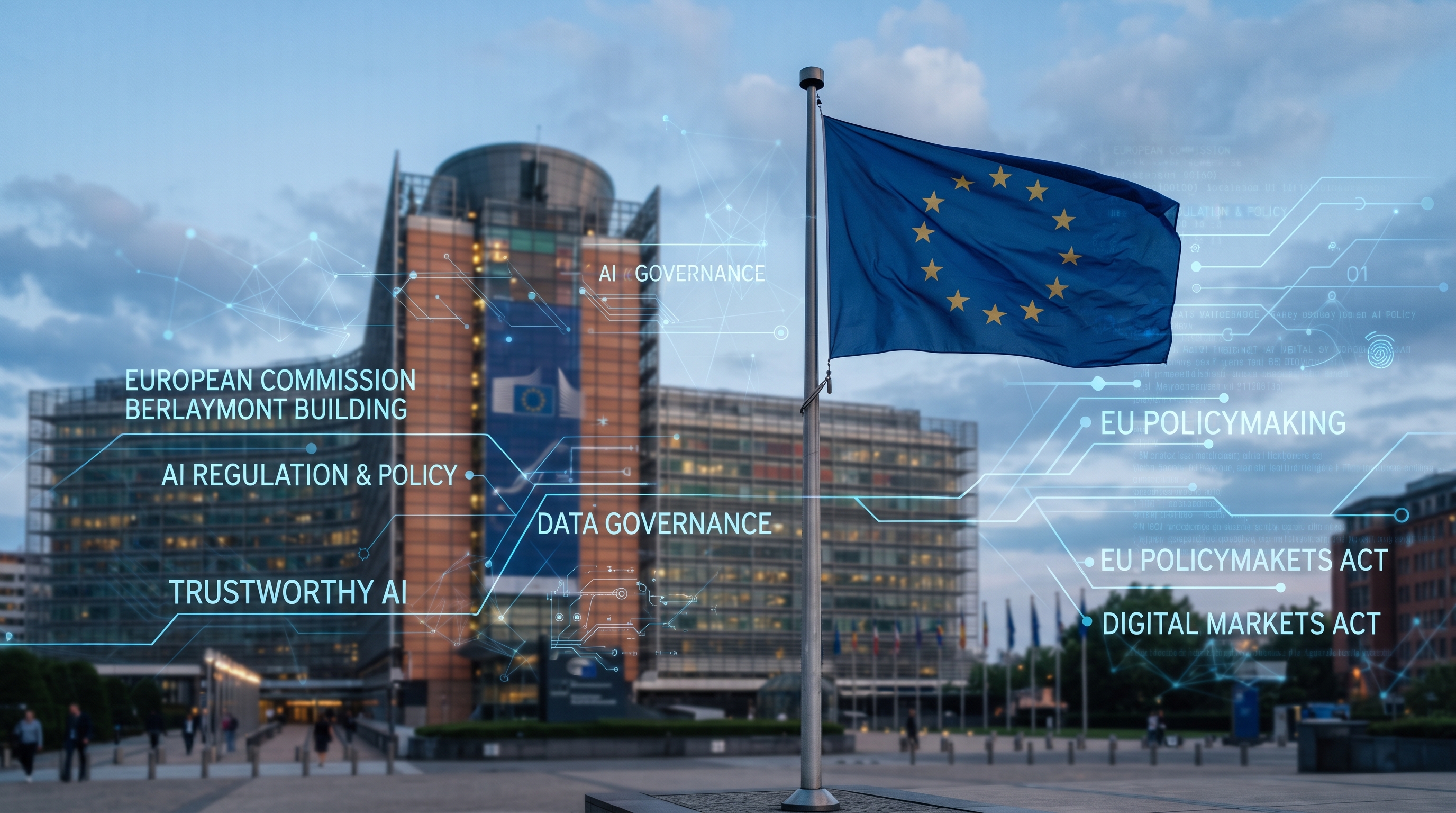
For three years, the EU AI Act has been something businesses talked about "getting ready for." On August 2, 2026, that changed. The Act's rules for high-risk AI systems, alongside transparency obligations requiring people to be told when they're talking to a machine, became enforceable. Regulatory sandboxes opened. National authorities got their teeth. If your business touches European customers, employees, or markets, and uses AI anywhere in hiring, credit decisions, customer service, or content generation, this is no longer a compliance roadmap. It's current law.
What Actually Changed on August 2, 2026
The EU AI Act rolls out in phases. The first wave, back in February 2025, banned a small set of "unacceptable risk" practices like social scoring and untargeted biometric scraping. The second wave, in August 2025, brought transparency obligations for general-purpose AI model providers. August 2026 is the big one: rules for "high-risk" AI systems under Annex III now apply, and Article 50 transparency requirements are in force across the board.
Who Counts as "High Risk"
High-risk classification isn't about how advanced your AI is, it's about what it's used for. If you use AI in hiring or performance evaluation, credit scoring or loan decisions, insurance underwriting, biometric identification, critical infrastructure management, or law enforcement-adjacent functions, you almost certainly fall under this category, regardless of your company's size.
- Employment and worker management tools (CV screening, promotion algorithms, monitoring systems)
- Access to essential services (credit scoring, insurance risk assessment)
- Education and vocational training assessment tools
- Biometric categorization and identification systems
- Critical infrastructure safety components
The Transparency Rules Nobody Is Talking About Enough
Article 50 is the quieter but more universally applicable part of this rollout. It requires that end-users be informed when they are interacting with an AI system, most obviously relevant to chatbots, and that AI-generated or manipulated content, including deepfakes, be clearly labeled as such. This applies far more broadly than the high-risk category. If your business runs a customer-facing chatbot in Europe and it isn't disclosing that it's AI, you are now out of compliance.
What This Means for Marketing and Content Teams
AI-generated marketing content, synthetic voiceovers, and AI-modified images used in advertising targeting EU audiences need clear disclosure. This isn't a suggestion buried in a code of practice, it's an enforceable transparency obligation with penalties attached for non-compliance.
Regulatory Sandboxes: The Overlooked Opportunity
Alongside the enforcement wave, this phase also introduces regulatory sandboxes, controlled environments where companies can test AI systems under direct regulatory supervision before full-scale deployment. For businesses building genuinely high-risk applications, this is worth exploring: it offers a path to validate compliance before you've committed to a system that later needs to be torn out.
A Practical Compliance Checklist
Step 1: Inventory Every AI System You Use
Most businesses underestimate how much AI they actually use, embedded in HR platforms, CRM scoring, fraud detection, and marketing tools. Start with a full inventory before you can classify anything.
Step 2: Classify Risk Level Honestly
For each system, determine whether it falls into a high-risk category under Annex III. Don't rely on a vendor's marketing claim that their tool is "compliant", verify it against the actual use case in your business.
Step 3: Add Disclosure Where Required
Every customer-facing AI interaction that touches EU users needs a clear, visible disclosure. This is a low-cost, high-priority fix that many businesses still haven't made.
Step 4: Document Your Risk Management Process
High-risk systems require documented quality management, accuracy testing, and human oversight mechanisms. Regulators will want to see paperwork, not just good intentions.
The businesses least prepared for this enforcement wave are not the ones without AI strategies, they're the ones who assumed their AI vendor was handling compliance on their behalf.
What Happens Next
Enforcement rarely arrives as a single dramatic raid, it arrives as complaints, audits, and gradually escalating penalties for the businesses that ignore the warning signs. The next major deadline, August 2027, brings even more high-risk categories into scope, particularly around public services and critical infrastructure. Businesses that build compliance muscle now will find each subsequent wave far less disruptive than the ones who are scrambling to catch up every single time.
Key takeaway
The EU AI Act was never going to arrive as a single dramatic cutover, it's a staged rollout, and August 2026 is the stage that actually bites. If you sell into Europe, employ people there, or run AI-assisted hiring, credit, or customer-facing systems, the safest move now is a real audit, not a wait-and-see approach. The businesses that treat this as a genuine compliance requirement will avoid disruption. The ones that treat it as background noise will find out the hard way that "high risk" isn't just a label, it's an enforcement category with real consequences attached.
Written by
Muchiri Mwangi
I build AI automation and workflow systems for businesses, with a focus on practical results over hype.
More about meKeep reading
- AI Regulation
Before You Send Customer Data to an AI: A Plain-English Data Protection Guide for African SMEs
October 2, 2026 · 10 min read
- AI Automation
The Rise of ChatGPT Accountants: Which Jobs AI Is Quietly Taking Over Right Now
2026-11-20T18:06:01.798Z · 8 min read
- AI Automation
When AI Out-Codes Us: What Junior Developers Should Do Next
2026-11-16T12:39:11.983Z · 8 min read